- The Daily Brief, by The Kenyan Wall Street
- Posts
- Barely Safe : A City Built on Quick Sand
Barely Safe : A City Built on Quick Sand
Kenya's #1 newsletter among business leaders & policy makers

Newsletter sponsor
A Happy New Year 😀
It's Brian from The Kenyan Wall Street.
After the collapse of a storey building in South C, Nairobi, engineers and architects are concerned that this is not an isolated event but a grim eventuality for many buildings in East Africa’s most developed city.
This and more stories…
Barely Safe : A City Built on Quick Sand
By Brian Nzomo

The collapsed building in South C, Nairobi | Source : AP News
Nairobi’s skyline may look modern, but beneath the façade, danger lurks. Experts warn that roughly 85% of the city’s buildings are unsafe, a ticking time bomb exposed by the South C collapse. Lax enforcement, developers doubling as contractors, and substandard materials have turned regulatory gaps into structural vulnerabilities. Even approved designs offer little comfort, as independent verification during construction is often missing. For residents, the city’s growth has come with a hidden cost: living in buildings that could crumble under even minor tremors.
Read the article here >>>>>
Friday Poll
Who do you think is to blame for poor structural integrity in construction projects in Kenya? |
Red Card For Green washing!
By Brian Nzomo

The trophy of the ongoing Africa Cup of Nations
AFCON 2025 in Morocco is under the spotlight for more than football. Activists accuse TotalEnergies of greenwashing, using Africa’s premier tournament to polish its image while expanding fossil fuel operations across the continent. Satirical videos by Greenpeace Africa and Magamba Network expose pipelines, community displacement, and environmental risks tied to the company’s projects. The campaign aims to reach both Anglophone and Francophone audiences, challenging the Confederation of African Football to reconsider sponsorship rules.
Read the full article here >>>>>
The Digital Divide
By Brian Nzomo

Fiber optic internet cables
Kenya’s internet has grown fast, but the map of connectivity tells a story of division. While Nairobi and a handful of neighboring counties hum with digital life, vast swathes of the country remain barely online. Even where access has surged, the leap from connection to opportunity is uneven; phones don’t automatically translate into skills, infrastructure, or jobs. In a nation racing toward digital modernity, the gap between being connected and being competitive has never been clearer.
Read the article here >>>>>
Eyes on Tehran : Why Iranians are Unhappy
By Chelsy Maina
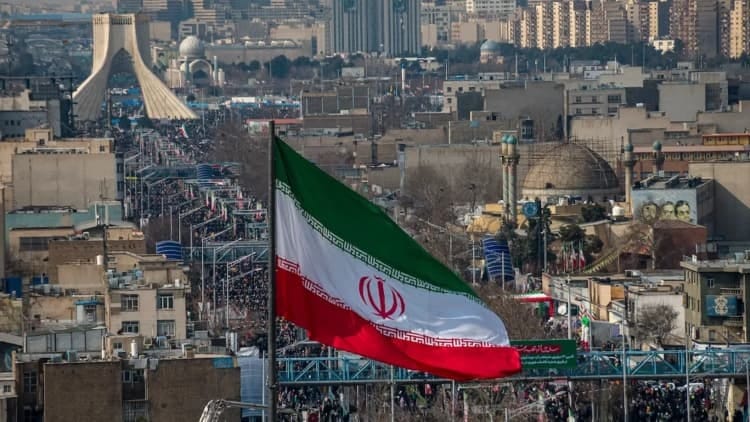
An image of the Iranian Flag overlooking the capital, Tehran
Iran begins 2026 not with ceremony but with crisis, as a collapsing currency and soaring food prices push discontent from Tehran’s boulevards into provincial towns. Shops shutter not in protest of ideology but of survival, merchants unwilling to sell goods at a loss that rises by the hour. Wages stagnate while inflation devours savings, turning ordinary life into an exercise in arithmetic and endurance. Across the country, the cracks in the social contract widen, and government reassurances ring hollow against the din of hunger and uncertainty.
Read the full article here »»»»»
Heads Up



Briefs
🇹🇿 The Bank of Tanzania held its benchmark interest rate at 5.75% during the January 2026 policy meeting, marking a second consecutive pause.
🇿🇲 Zambia government has said it will negotiate a new programme with the International Monetary Fund instead of extending its existing loan arrangement that expires at the end of January.
Snapshot

Interest rates in every EAC country
Visit our new website here to get updated on this story and others…

On your watchlist
For up-to-date market insights and data from the NSE, join our Whatsapp channel here »»»»»
Today in History
Apple CEO Steve Jobs unveiled the iPhone at Macworld, a touchscreen device combining a phone, iPod, camera, and web browser, hailed as a revolutionary product poised to reshape the mobile industry.