- The Daily Brief, by The Kenyan Wall Street
- Posts
- East Africa Wants More Control over its Fuel
East Africa Wants More Control over its Fuel
Kenya's #1 newsletter among business leaders & policy makers

Register here »»»»»
Good evening from The Kenyan Wall Street. The "Africa We Build" Summit 2026 was a momentous affair where heads of states, business magnates, and other financial stakeholders reflected on the dissatisfying state of the continent’s infrastructure. The choral lamentation was that Africa’s capital refuses to find its way towards mega-infrastructure, leaving nations reliant on foreign flows of vital resources like energy. Deals were signed, pledges were made, and the usual canticles of vision were sung…but will they translate into action?
These are today’s financial and business stories…
East Africa Wants More Control over its Fuel
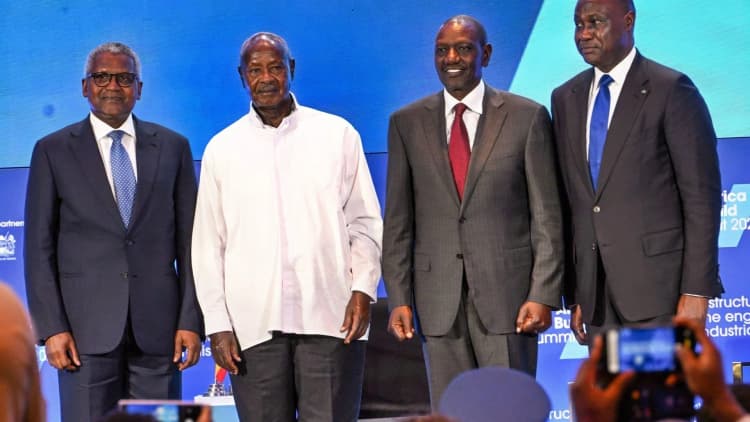
Nigerian Businessman Aliko Dangote, Ugandan President Yoweri Museveni and Kenyan President William Ruto
By Harry Njuguna
East Africa’s refining ambitions converged in Nairobi yesterday, where Nigerian Billionaire Aliko Dangote pledged to build a 650,000-barrel-per-day refinery in Tanga, Tanzania, while regional leaders moved in parallel to stitch together a more formal industrial alliance.
Aliko Dangote said the project would replicate his Lagos complex and depend on coordinated backing from Kenya, Uganda, and neighbouring governments, effectively turning fuel security into a shared regional wager rather than a national project.
Read about it here >>>>>
At the same summit, President William Ruto confirmed Kenya would take a stake in Uganda’s planned 60,000-barrel-per-day refinery, framing it as reciprocal industrial diplomacy after Uganda’s interest in Kenya Pipeline assets. William Ruto described the moves as part of a broader shift away from exporting raw resources toward owning the infrastructure that processes oil, minerals, and industrial inputs.
Read about it here >>>>>
Taken together, the refinery pledges and investment swaps signal a coordinated attempt to close East Africa’s structural dependence on imported refined fuel, much of it sourced from the Middle East. The push lands against a tightening energy backdrop, where regional fuel import reliance remains high and supply shocks through global chokepoints have exposed how fragile the system already is.
The African Paradox : Sufficient Liquidity But Little Infrastructure
By Harry Njuguna
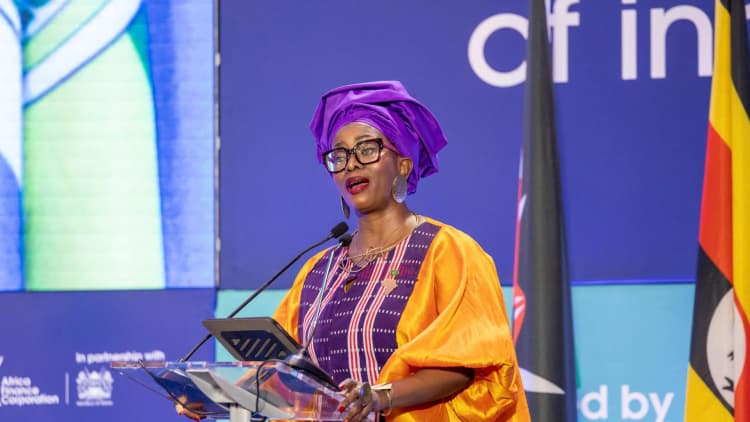
Africa now holds more than US$2 trillion in domestic capital, yet still imports over 70% of its refined fuel, a contradiction that the Africa Finance Corporation (AFC) describes as a failure in financial plumbing. Pension funds, insurance pools, and central bank reserves together exceeding US$1.5 trillion, sit alongside infrastructure gaps so severe that Africa faces an estimated 86-million-tonne fuel deficit by 2040, even as demand accelerates. Africa’s central economic paradox is not scarcity but disconnection; capital abundant on paper, yet structurally absent where concrete and steel are still waiting to be built.
Read the full article here >>>>>
Why Kenyan Startups Should Focus More on Operational Efficiency
By Brian Nzomo
Kenya’s startup boom is colliding with a grim reality: the problem isn’t funding, it’s function. Audit firm, PwC, points to a pattern of startups scaling fast on venture capital without building the cash discipline or operating systems needed to survive when funding tightens. The failures such as Sendy, MarketForce, Copia Global, are symptoms of thin revenue margins, high cash burn, and fragile models. Investors, the firm argues, focused on financial diligence while overlooking how these businesses actually run, allowing inefficiencies to compound into collapse. The next phase of Kenya’s startup story will hinge not on raising capital, but on learning how to use it.
Read the article here >>>>>
OPINION : Trial of the Century to Determine Who Controls AI’s Future

The courtroom clash between Elon Musk and Sam Altman is not just any legal dispute but it is a proxy war over who controls the trajectory of artificial intelligence. Musk alleges that OpenAI abandoned its non-profit mission in favor of commercial gain, seeking Altman’s removal and more than US$100 billion in damages tied to its partnership with Microsoft. Behind the claims sits a deeper rivalry, as Musk builds his own AI venture to compete in a market where platforms are not just tools but ecosystems shaping information, commerce, and ideology. What the jury ultimately decides may reach far beyond the two men, setting the terms for who governs a technology now positioned to influence global economies, politics, and power itself.
Bertie Jacobs writes »»»»»
Heads Up

For timely and insightful market updates, follow our Whatsapp page here
On Your Weekend Watchlist

Be a part of us here »»»»»
Capital Club East Africa brings together business leaders, entrepreneurs and professionals in a refined space designed for meaningful connections, thoughtful conversations and exceptional experiences. From networking and private events to dining and a true sense of community, membership opens the door to more.
Learn more here »»»»»
Keep up with what’s happening on our X and LinkedIn pages. Stay updated with the latest financial news on our website The Kenyan Wall Street.