- The Daily Brief, by The Kenyan Wall Street
- Posts
- Fitch Rating: Still, no upgrade...
Fitch Rating: Still, no upgrade...
Kenya's #1 newsletter among business leaders & policy makers
Hello 👋🏽 It's Brian from The Kenyan Wall Street.
In today's newsletter…
Fitch Ratings has maintained Kenya's credit status owing to persistent fiscal risks.
The looming showdown between rice farmers and the state over imports : will protectionism win?
These and more…
Fitch Rating: Still, no upgrade…

By Harry Njuguna
Fitch’s decision to keep Kenya at B- reflects a country that has bought itself time but not solved its problems. Foreign-exchange reserves have rebounded impressively, easing immediate external pressure after years of near-misses with the bond market. Yet the agency’s message is blunt: debt service is swallowing revenues faster than fiscal discipline can catch up. Kenya is stabilizing, not improving, relying increasingly on domestic borrowing while external financing remains uncertain. The rating holds because the crisis has been deferred, not because risk has disappeared.
Read the whole article here >>>>>
The NSSF Boom After Decade of Stagnation
By Harry Njuguna
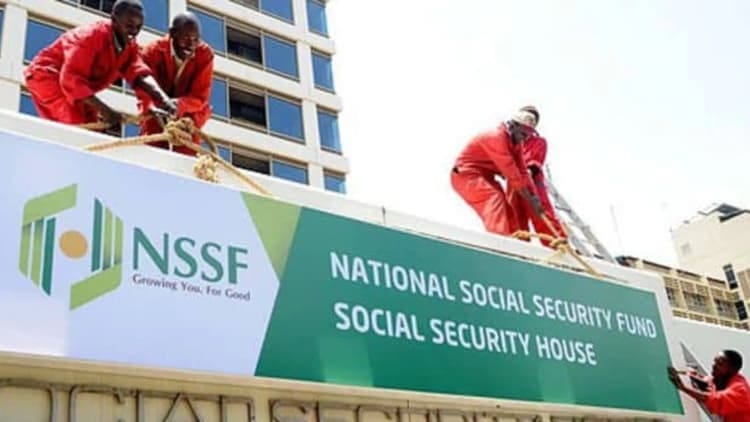
The National Social Security Fund (NSSF) delivered its strongest performance on record in FY2025, with total assets rising 43% to KSh 572.8 billion after adding KSh 172.6 billion in a single year. The surge was driven by a 35% jump in member contributions and a 152% rise in net investment income, as the fund posted a 22% nominal return amid favorable market conditions. Treasury bonds and listed equities accounted for most of the growth, deepening NSSF’s exposure to domestic interest rates while modestly expanding diversification into Eurobonds and alternatives. Benefit payouts fell 10% as claims declined, sharply improving net member cash flows and strengthening the balance sheet.
Read more here >>>>>
Rice Farmers Vs. Imports…The State's Dilemma

Rice farmers in Mwea
By Fred Obura
Kenya’s rice dilemma has taken center stage as the High Court prepares to rule on a government plan for time-bound, duty-free imports. Domestic farmers, particularly in Mwea, insist their harvests are fully sold and paid for, yet national supply lags far behind demand. The tension pits constitutional rights to food against market realities, with officials warning that shortages could ripple into broader price spikes. Amid drought and shrinking local output, the State promises to stabilize both prices and farmers’ livelihoods. Come January 29, the court’s decision may reveal how Kenya balances protection of its growers with the imperative of feeding a nation.
Read the story here >>>>>
Business Deals Conducted on Whatsapp can be binding

By Brian Nzomo
In a Siaya court, a modest dispute over an ultrasound machine has quietly redrawn the boundaries of contract law. The High Court ruled that WhatsApp messages and text exchanges, once dismissed as informal chatter, can bind parties as firmly as ink on paper. The decision reflects how commerce now actually happens: negotiated in fragments, confirmed in emojis, and settled in mobile transfers. Courts, the judge suggested, cannot pretend the digital record is less real simply because it is inconvenient. For Kenya’s entrepreneurs, the message is clear…your chat history may already be a legal document.
Read the details here »»»»»
INSIGHT : Ports, Power, and Defying Mogadishu
By Chelsy Maina
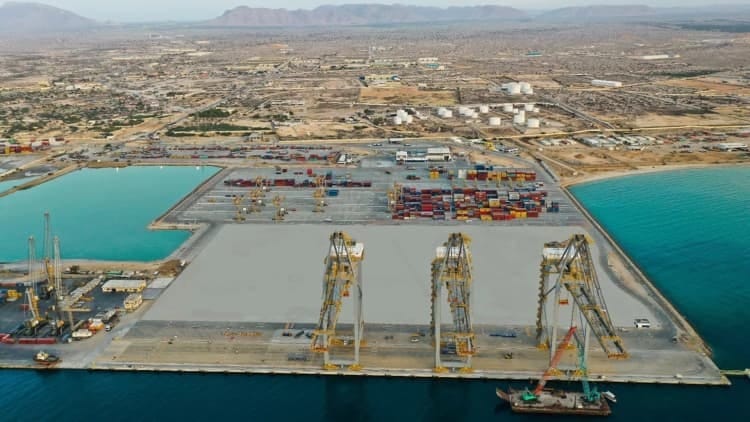
Somalia’s dispute with the UAE over port agreements has intensified after both Somaliland and Jubaland rejected Mogadishu’s attempt to annul their deals. The standoff exposes how weak federal authority remains over trade and infrastructure decisions inside Somalia. For Kenya, the concern is practical rather than ideological, as instability in southern Somalia directly affects security coordination and border management. Disputes around Berbera and Kismayo also complicate regional trade planning and investment flows. As Somalia’s internal divisions widen, Kenya faces higher geopolitical risk in an already fragile neighborhood.
Read this article here >>>>>
Heads Up



On your Watchlist
Snapshot


Source : NSE

Today in History
Yoweri Museveni and his National Resistance Army (NRA) captured Kampala, toppling Tito Okello’s military government and setting the stage for his swearing-in three days later; he is president of Uganda to date.
Keep up with what’s happening on our X and LinkedIn pages. Stay updated with the latest financial news on our website The Kenyan Wall Street.