- The Daily Brief, by The Kenyan Wall Street
- Posts
- Is there a Fuel Shortage?
Is there a Fuel Shortage?
Kenya's #1 newsletter among business leaders & policy makers

Get your tickets here »»»»»
Hello 👋🏽 It's Brian from The Kenyan Wall Street.
As countries globally continue facing fuel distress due to the conflict in the middle east, governments are issuing austerity orders to preserve existent stock.
In Kenya, shortages are becoming apparent but the government still says, “Don't panic! Fuel is available…and more is coming…”
This and more in today's edition of our newsletter…
Is there a Fuel Shortage?

By Fred Obura
Various parts of Kenya are now facing fuel shortages, with some stations rationing sales and drivers forced to visit multiple pumps. A Transporters’ lobby says that government assurances of adequate fuel stocks are not matching reality, citing cash-only purchases and disrupted logistics. A 60,000-tonne shipment imported outside official channels at a significantly higher price has added to market tensions. The government has ordered the cargo returned or exported and instructed oil companies not to pay for it, insisting the official supply chain remains secure. Meanwhile, queues are growing, and motorists are left navigating a patchwork of scarcity that the government wants to sweep under the rug.
Read the story here >>>>>
The Central Bank Adopts Caution
By Harry Njuguna
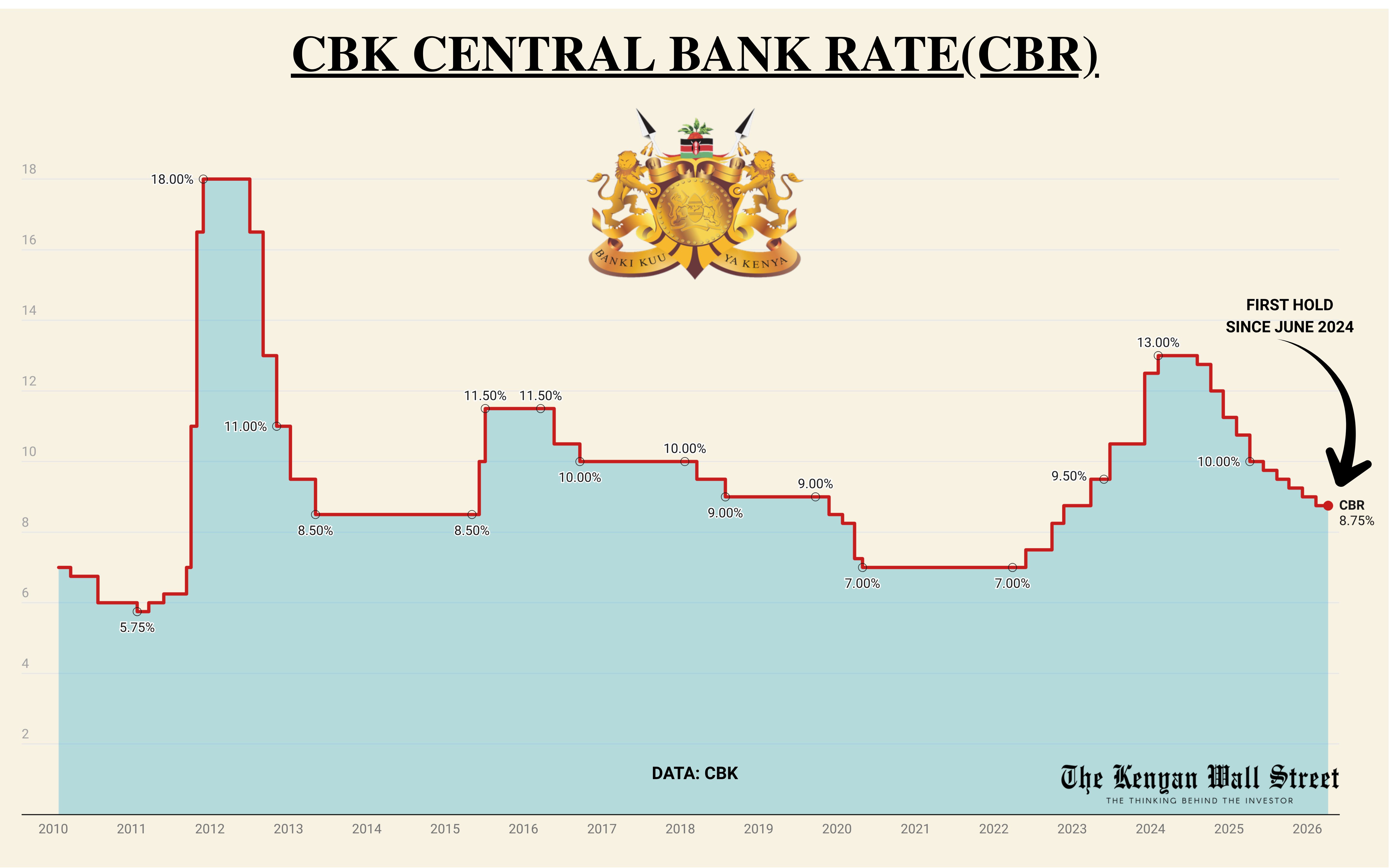
Kenya’s economy grew by 5.0% in 2025, a modest rebound from 4.7% the year before. But optimism for 2026 has dimmed: the Central Bank of Kenya (CBK) now projects 5.3% growth, down from 5.5%, as global oil prices spike and supply chains wobble under the weight of the Middle East conflict.
Meanwhile, inflation remains tame at 4.4% and the current account deficit is widening, now expected to hit 3.0% of GDP due to pricier imports, sluggish remittances, and a quieter services sector.
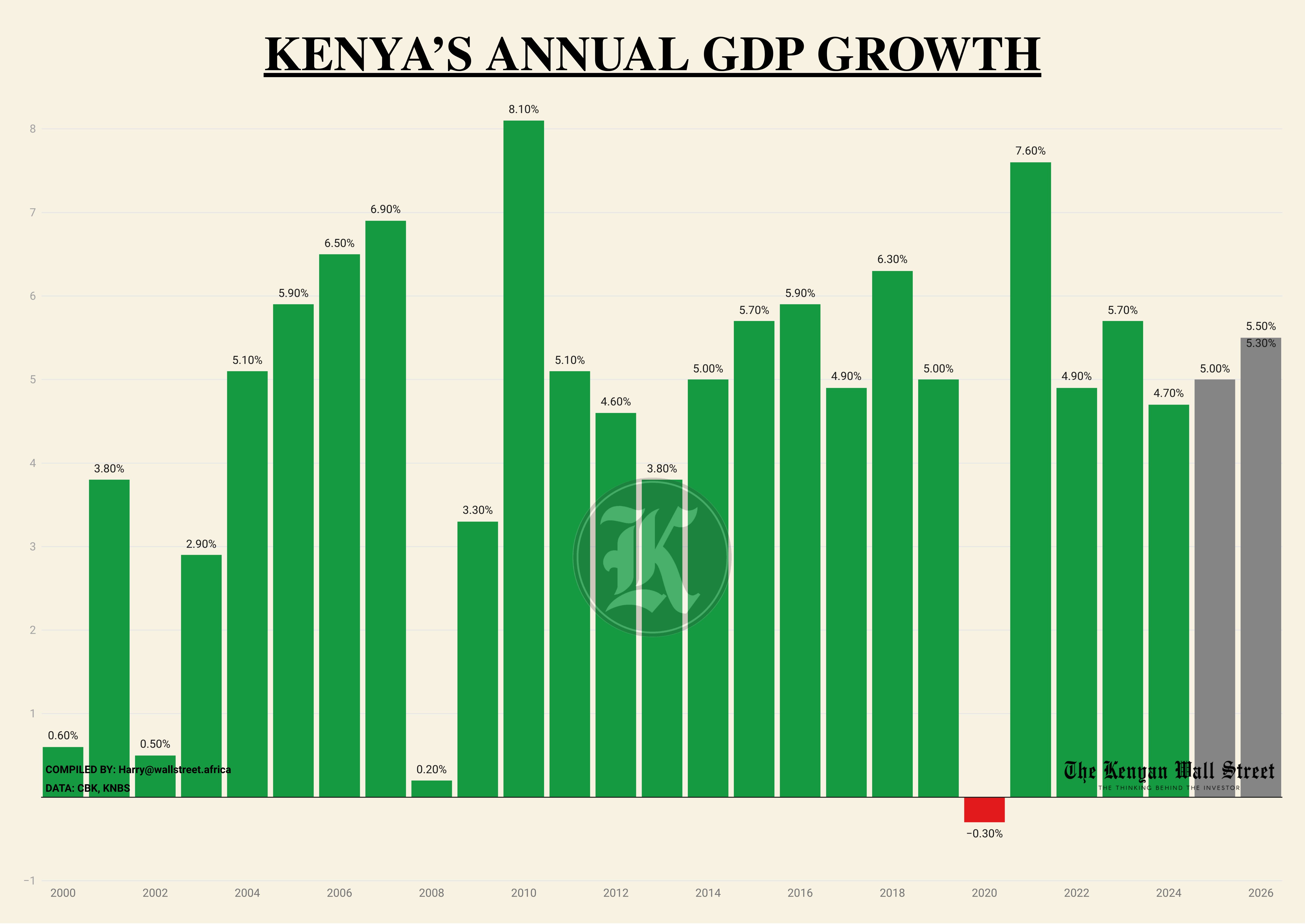
In a break from its interest rate easing spree, the CBK held the benchmark rate at 8.75%, signaling caution in an uncertain global energy landscape. For investors and businesses alike, the message is clear: Kenya’s economy is resilient, but the outside world is proving a stubbornly heavy weight.
Nigeria’s Second-Biggest Bank Gets Kenyan Foothold
By Harry Njuguna
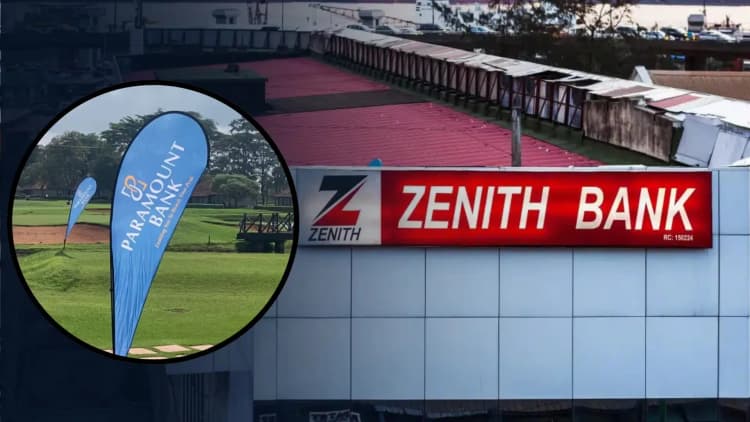
Nigeria’s Zenith Bank has made its first move into East Africa by acquiring Paramount Bank Kenya, including its investment and insurance subsidiaries. The deal gives Zenith a ready-made license, branch network, and staff, avoiding the need for costly organic expansion in Kenya. Paramount, profitable but small, struggled to meet Kenya’s rising capital requirements, making acquisition a practical exit. Zenith joins other Nigerian banks in Kenya, aiming to follow its corporate clients and deploy excess capital from a recent US$1.5 billion rights issue.
Read the story here »»»»»
INSIGHT : Kenya’s EV Growth Still Has Little Impact on Power Demand

An electric vehicle
By Fred Obura
Kenya’s electric vehicle boom is stirring, but the impact on national power demand remains negligible. Electricity consumption for EVs and e-motorcycles jumped 152.5% in six months to 4.57 GWh, yet still represents just 0.08% of total electricity use. Industrial, household, and small business demand continue to dominate, with industrial purposes alone accounting for nearly half of consumption. Policy incentives and rising EV registrations signal growth ahead, but charging infrastructure and vehicle costs keep electricity demand from transport almost muted.
Read the article here >>>>>
Wall Street Africa Group’s Launches FY25 Kenya Banking Sector Report
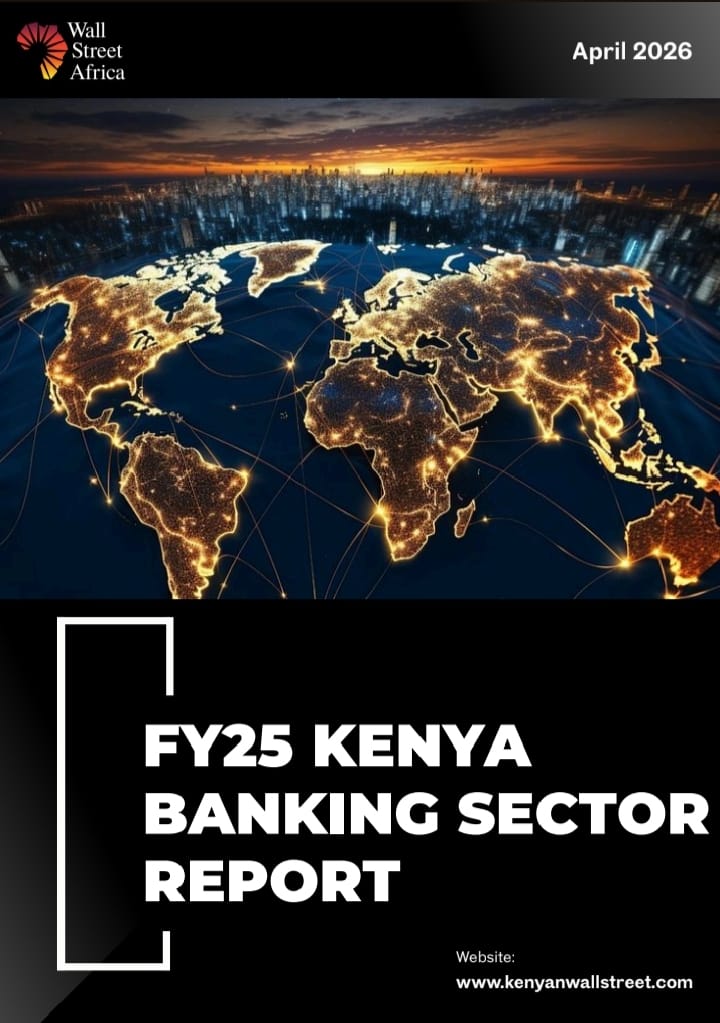
By Ndegwa Mbuthia, Wall Street Africa’s Head of Business Intelligence
Kenya’s banking sector is entering a new era, and FY26 promises a sharper test of institutional resilience. The Wall Street Africa Group’s FY25 Kenya Banking Sector Report, released today, shows that the macro tailwinds of the past two years are fading, forcing banks to prove whether their earnings are structural or temporary.
The introduction of KESONIA and falling interest rates is compressing lending margins, while differences in loan-pricing strategies may determine who gains or loses.
For investors and market watchers alike, this report provides a clear window into which institutions are likely to survive and thrive in a tighter, more disciplined banking environment.
Download the full report here »»»
Heads Up



On Your Watchlist

Be a part of us here »»»»»
Capital Club East Africa brings together business leaders, entrepreneurs and professionals in a refined space designed for meaningful connections, thoughtful conversations and exceptional experiences. From networking and private events to dining and a true sense of community, membership opens the door to more.
Learn more here »»»»»
For timely and insightful market updates, follow our Whatsapp page here

Founded in 2012, the Africa CEO Forum has grown from a purely annual gathering into a permanent platform connecting African decision-makers year-round with peers, international investors, and institutions active across the continent.
Each year, the Annual Summit gathers over 2,000 participants from more than 70 countries, including 40 African states — among them over 1,000 CEOs, more than 75 Heads of State and Ministers, 100 leaders of development finance institutions, and 200 international journalists.
More about the event here »»»»»
Keep up with what’s happening on our X and LinkedIn pages. Stay updated with the latest financial news on our website The Kenyan Wall Street.