- The Daily Brief, by The Kenyan Wall Street
- Posts
- Kenya’s Pipeline Corridor Under Strain
Kenya’s Pipeline Corridor Under Strain
Kenya's #1 newsletter among business leaders & policy makers


Register here »»»»»
Hello 👋🏽 It's Brian from The Kenyan Wall Street.
What’s inside…
The role of Kenya Pipeline in meeting the country’s domestic energy needs, as well as those of our landlocked neighbours, has outgrown the physical structure itself.
Why Kenya wants to grant legal protection to geographic names, restricting their use in local and export markets.
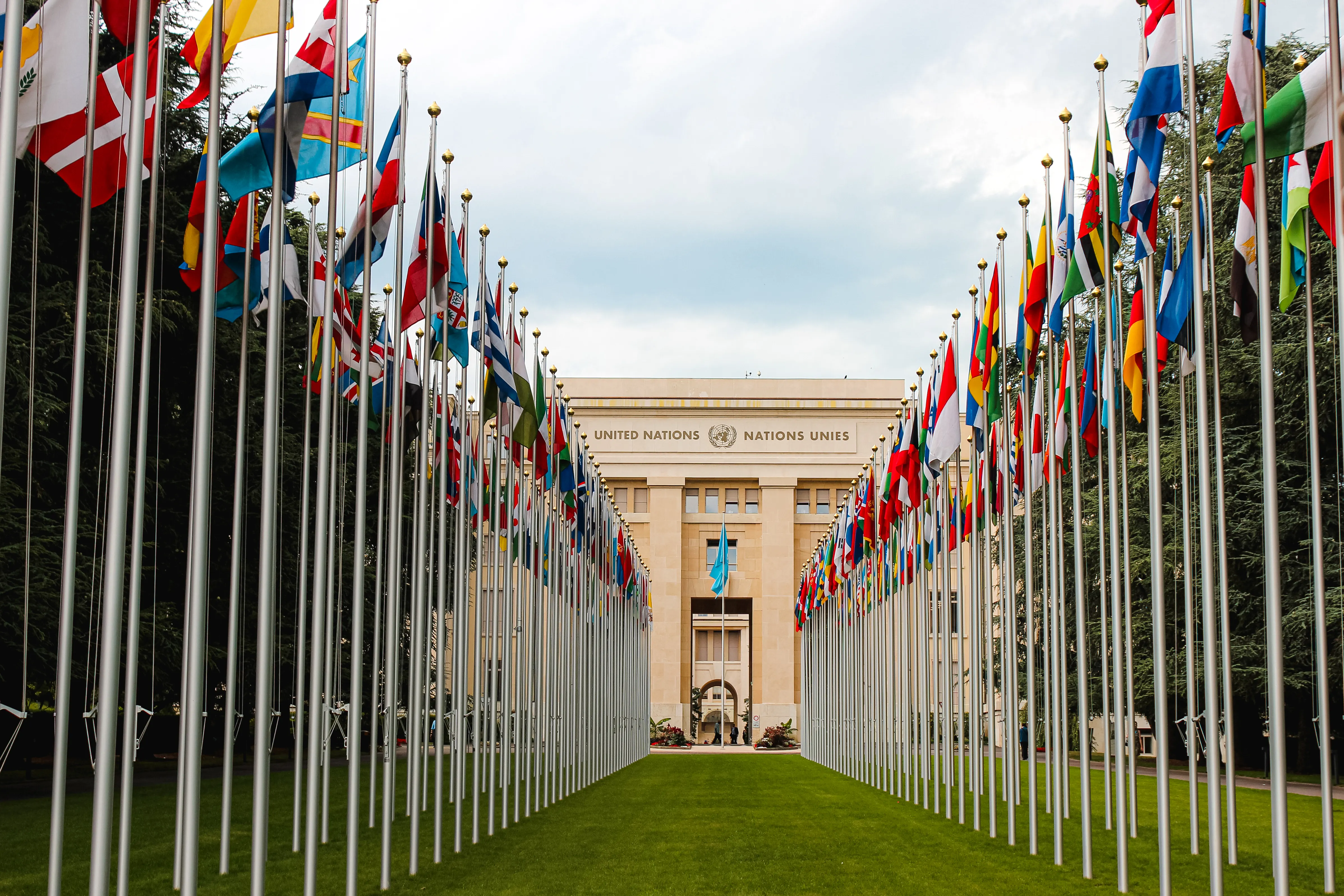
Why former Senegalese President Macky Sall’s candidacy for the UN Secretary General position is controversial
These and more stories…
Kenya’s Pipeline Corridor Under Strain

A KPC depot
By Harry Njuguna
Kenya’s oil pipeline is carrying more than fuel these days. It is also carrying the weight of a region leaning in. Export volumes have jumped sharply, much of it driven by Uganda, which now depends on Kenyan infrastructure for the vast majority of its fuel and has gone as far as buying into the system itself. The arrangement feels less like trade and more like quiet consolidation, with Mombasa, Eldoret, and Kisumu forming the spine of a cross-border energy corridor. At home, demand is rising just as insistently, with LPG consumption climbing to record levels, pushed not by cheap prices but by a structural shift away from kerosene. The strain is beginning to show, in crowded pipelines, delayed expansions, and a sense that the fuel artery is being asked to become something larger than it was built for.
Read the full article here >>>>>
More on Energy


When Geography Becomes a Brand…

Tea brands in Kenya
By Brian Nzomo
Kenya is trying to turn place into property, to make geography itself a kind of brand. A proposed law would tie products like coffee, tea, rice, and soapstone to their regions, allowing only those who produce them there, and in the prescribed way, to use the names. It is a subtle shift from thinking about goods as commodities to treating them as inheritances, shaped by soil, climate, and unique craft, and guarded by law. The system would be collective, not private, meaning the value sits with communities rather than individuals. What emerges is a quiet reordering of how Kenyan products claim authenticity in a market that has long blurred it.
Read the article here >>>>>
OPINION : Egypt and Kenya’s Relations Are a Model for Strategic African Cooperation

Kenya's President William Ruto and Egypt's President Abdel Fattah El-Sisi
There is a certain optimism in the idea that African cooperation can still be deliberate rather than rhetorical. The relationship between Egypt and Kenya is often presented as proof, a partnership built on history but sustained by trade, infrastructure, and shared strategic interests stretching from the Nile Basin to the Indian Ocean. It is less about sentiment than complementarity, Kenya exporting what it grows, Egypt what it makes, each filling in the other’s gaps. Yet beneath the confidence is the argument that for all its promise, this kind of cooperation still has to push against the limits of politics, geography, and the stubborn reality that African integration is always slightly harder than it sounds.
Ossama El-Khattib writes >>>>>
Also on Trade & Co-operation
What You Should Watch!
“Love” is easy to talk about, but what does “We” actually cost?
In this episode of the Just Money Podcast, Just Ivy Africa sits down with Jacob Aliet, author of Unplugged, and Dianah Murethi, a private wealth lawyer, to unpack the real financial dynamics behind relationships.
What is East Africa’s AI Master Plan?

By Fred Obura
East Africa is on the genesis point of treating artificial intelligence as infrastructure rather than hype. The EAC has approved a regional AI fund and a push for AI sovereignty that aims to keep data and computing power within the region. Meanwhile, Uganda is building a 100MW hydro-powered AI facility at Karuma with support from global partners including NVIDIA. On the other hand, the African Development Bank and UNDP are backing a US$10 billion plan to speed up AI development across the continent before the opportunity window closes.
Read more details here »»»»»
Also on Artificial Intelligence


This Week

AI innovation isn’t slowing down, but regulation is catching up fast.
Join us on Thursday, April 23rd at 6:00 PM EAT for a deep dive into what innovators are actually building and how evolving regulations across the US, UAE, and EU are shaping the future of fintech and investment. Hosted by Eric Asuma, Founder of The Kenyan Wall Street, this session will unpack the real intersection of AI, policy, and capital.
Featuring: David Awad – Principal Investor & Fractional CTO, Dubai Future District Fund
🗓️ April 23rd, 2026
⏰ 6:00 PM EAT
🔗 Register now — https://streamyard.com/watch/6dzr2MsgiExw

For timely and insightful capital market updates, follow our Whatsapp channel here
Coming Soon…

Keep up with what’s happening on our X and LinkedIn pages. Stay updated with the latest financial news on our website The Kenyan Wall Street.