- The Daily Brief, by The Kenyan Wall Street
- Posts
- NSE Pushes for Lower Levies to Attract Retail Investors
NSE Pushes for Lower Levies to Attract Retail Investors
Kenya's #1 newsletter among business leaders & policy makers

Kenyan Wall Street
March 16, 2026


Hello 👋🏽 from The Kenyan Wall Street. In today's newsletter edition…
NSE Pushes for Lower Levies to Attract Retail Investors
By TKWS Desk
The Nairobi Securities Exchange (NSE) is pushing for policy reforms aimed at lowering trading costs for small investors as part of a broader effort to deepen retail participation in Kenya’s capital markets.
Speaking during an interview on the Trading Bell show with Maina Chege, NSE Chairman Kiprono Kittony said the exchange is in discussions with the National Treasury of Kenya to waive or reduce levies and taxes on low-value trades that often discourage new investors from entering the market.
According to Kittony, current tariffs can disproportionately affect retail investors who trade with smaller amounts of capital.
The proposed reforms are part of the exchange’s effort to make the stock market more accessible to ordinary Kenyans and remove barriers that have historically limited participation.
Read the article here >>>>>
NSE Investor Wealth Tops KSh 3.5 Trillion as Kenya Pipeline Debuts

By Harry Njuguna
nvestor wealth on the Nairobi Securities Exchange (NSE) crossed KSh 3.5 Trillion for the first time after the listing of Kenya Pipeline Company, which added about KSh 163.6 Bn in market value.
Total market capitalisation rose 6.55% to KSh 3.50 Trillion from KSh 3.29 Trillion the previous week, reversing the sharp selloff recorded in Week 10 and marking one of the strongest weekly recoveries this year. The listing immediately positioned Kenya Pipeline Company as the seventh most valuable firm on the NSE, with a market capitalization of about KSh 164.98 Bn, ahead of NCBA Group and Standard Chartered.
Safaricom remained the most valuable company on the exchange at KSh 1.23 Trillion, followed by Equity Group (KSh 290.57 Bn) and KCB Group (KSh 254.67 Bn).
Read the article here >>>>>
Universities, State Agencies Lead In KSh 468bn Supplier Debt
By Brian Nzomo
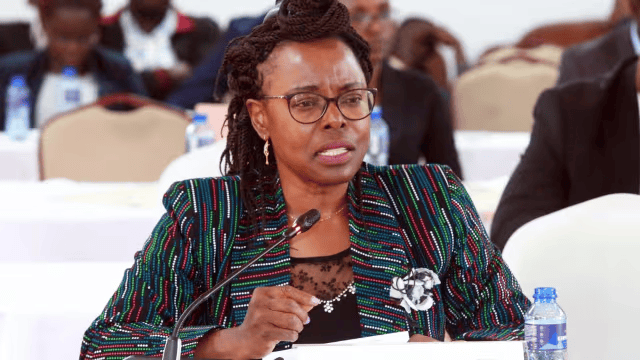
Kenya’s unpaid government bills are still heavily concentrated in state corporations, with public universities, road authorities, health agencies and energy utilities accounting for much of the supplier debts older than six months.
Trade payables older than six months totaled KSh 468.48 billion at the end of December 2025, down from KSh 524.07 billion a year earlier, an improvement of about 11% year-on-year, according to a recent report by the Office of the Controller of Budget.
State corporations, statutory agencies, and state-owned enterprises account for KSh368.84 billion, roughly 79% of the total, while ministries, departments and agencies (MDAs) account for only KSh 99.64 billion. Trade payables at state corporations include unpaid obligations to contractors and suppliers as well as unremitted statutory deductions and pension arrears.
Read the full article here »»»»»
INTERVIEW : Kenya’s Net-Zero Manufacturing Strategy
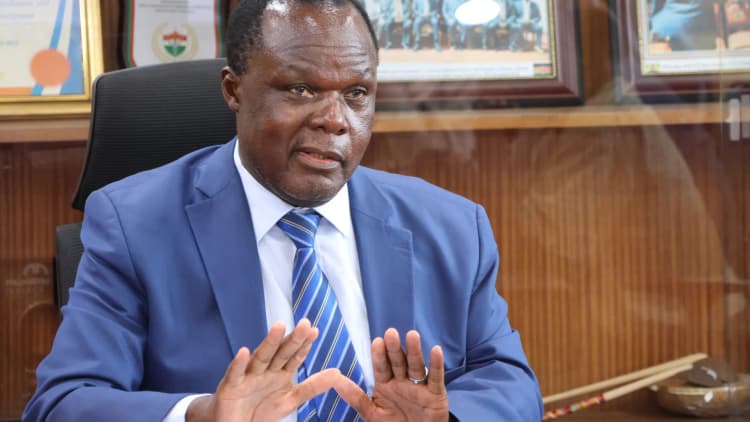
Industry Principal Secretary Juma Mukhwana
As Kenya prepares to host the Kenya International Investment Conference (KIICO) 2026 later this month, officials are sharpening a pitch that blends climate policy with industrial ambition. In an interview with The Kenyan Wall Street, Industry principal secretary Juma Mukhwana argues that Kenya’s electricity grid, more than 90% powered by renewables, gives manufacturers an unusual advantage in an era of carbon accounting. That energy mix, anchored by geothermal and expanding wind and solar, is now being tied to special economic zones (SEZs), green industrial parks, and new investor incentives. The message ahead of KIICO is simple: Kenya wants to sell itself not just as a manufacturing destination, but as a net-zero manufacturing hub for global supply chains.
Read the full interview here >>>>>
OPINION : Kenya's New Tourism Positioning Has a Billion-Dollar Blind Spot
By Muthuri Kinyamu
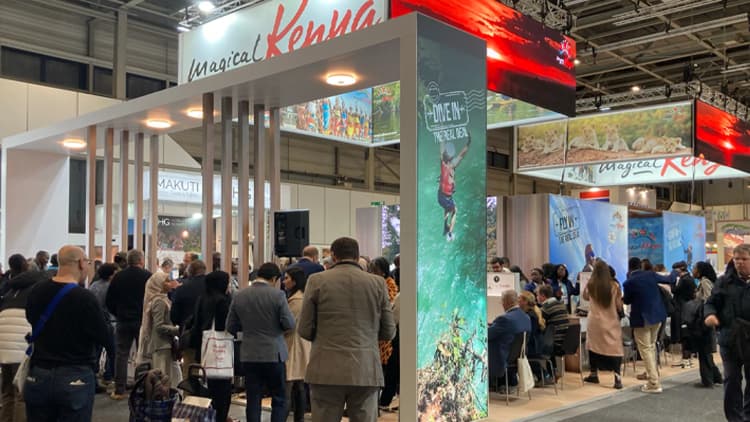
Kenya’s new “Experience Wonder” tourism campaign debuted at ITB Berlin with sweeping ambition: sell the country as the origin of awe, from wildlife safaris to the birthplace of humanity. This article argues that the pitch overlooks a massive global market; the 1.3 billion travellers living with disabilities. For many of those visitors, basic parts of the Kenyan experience such as airport transfers, safari vehicles, accessible lodges or sign-language guides remain difficult or impossible to arrange. The result is a striking paradox: a country marketing wonder to the world while leaving a hundreds-of-billions-dollar accessible travel economy largely untapped.
Read the opinion piece here >>>>>
Heads Up


On Your Watchlist
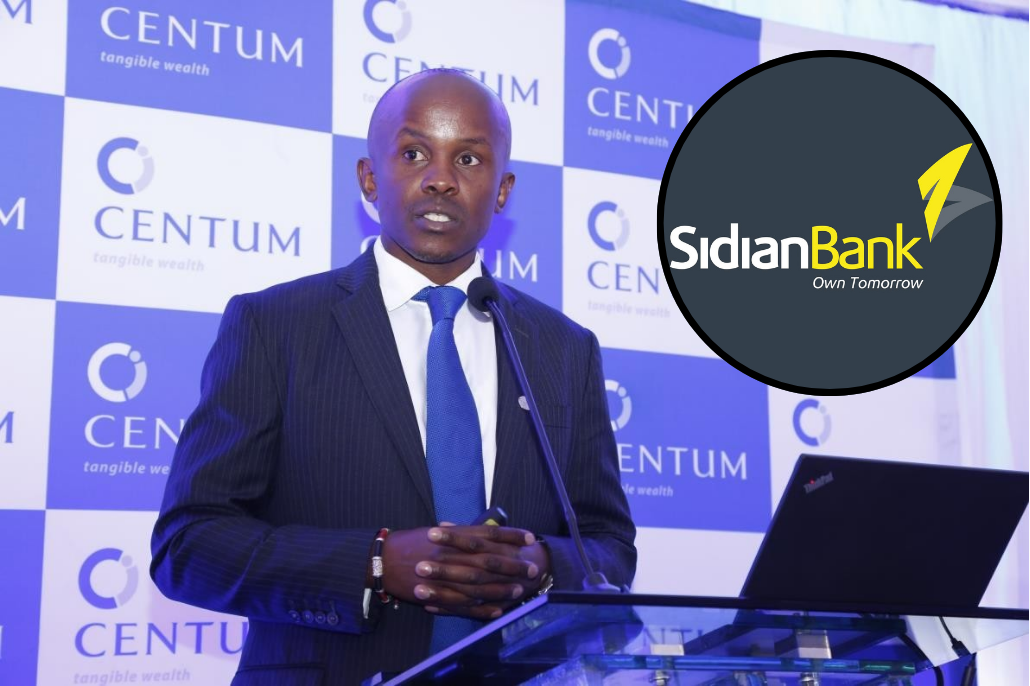
In this episode of Investing Like an Executive, Andrew Barden (CEO, The Kenyan Wall Street) sits down with George Olaka, the Country Head of Arise IIP Kenya, to discuss the massive scale of Special Economic Zones (SEZs) currently transforming the region.
Upcoming Webinar
Snapshots
For timely and insightful market updates, follow our Whatsapp channel here

Founded in 2012, the Africa CEO Forum has grown from a purely annual gathering into a permanent platform connecting African decision-makers year-round with peers, international investors, and institutions active across the continent.
More about the event here »»»»»
Today in History
The Nairobi Securities Exchange (NSE) introduced its Automated Trading System, replacing decades of open-outcry floor trading and marking a major modernization of Kenya’s capital markets.
Keep up with what’s happening on our X and LinkedIn pages. Stay updated with the latest financial news on our website The Kenyan Wall Street.