- The Daily Brief, by The Kenyan Wall Street
- Posts
- Seeping through Beijing's Tough Wall
Seeping through Beijing's Tough Wall
Kenya's #1 newsletter among business leaders & policy makers

Newsletter sponsor
A Happy New Year 😀
It's Brian from The Kenyan Wall Street.
In today's newsletter, China has bent its trade rules for Kenya. Will the country manage to exploit the opportunity?
Also, the government may be easing up its interests in some listed entities but in Kenya Re, things are looking different…
This and more stories…
Seeping through Beijing's Tough Wall
By Fred Obura

A cargo ship with containers at sea
Kenya has struck a preliminary trade deal with China that would allow nearly all Kenyan goods to enter the Chinese market duty-free, a rare breakthrough in the country’s long-running trade talks with Asia. The agreement covers 98.2% of products and is being framed by officials as an early win rather than a final settlement. For exporters, especially in agriculture and light manufacturing, it opens access to one of the world’s largest consumer markets. The bigger question is whether Kenyan producers can scale up and meet China’s strict standards fast enough to take advantage. If it works, the deal could begin to rebalance a trade relationship that has long run heavily in China’s favour.
Read the article here >>>>>
Tightening the grip at Kenya Re
By Harry Njuguna

Kenya Re Managing Director Hillary Wachinga
Kenya Re wants to change how its shares work so the government keeps firm control of the company’s board, even as it remains listed on the stock exchange. Under the plan, all shareholders would earn the same dividends, but the National Treasury would get special shares with more voting power. That would allow the government to appoint most of the board and steer big decisions more directly. For ordinary investors, nothing changes financially, but their say in long-term strategy would shrink.
Read the full story here >>>>>
The NSE 20 Index : How a Market Benchmark was born
By Harry Njuguna
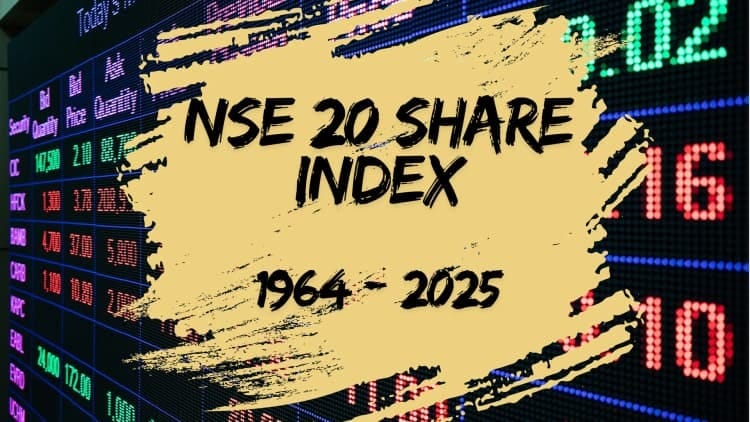
If you want to understand why Kenya’s stock market looks the way it does today, it helps to start with an index most investors take for granted. The NSE 20 did not begin as a national yardstick, but as a regional one, designed to measure the industrial promise of a united East Africa in the early years after independence. Long before tech listings and mobile money reshaped the market, this single number tracked factories, breweries, and power companies that operated across borders. Political fractures eventually shrank that vision, leaving the index intact but transformed. Its history offers a quiet, revealing guide to how regional ambition gave way to national markets.
Read the full analysis here >>>>>
Heads Up



Friday Poll
Do you believe that some companies in Kenya are strategic assets that cannot be privatized or listed in exchanges? |
Snapshot
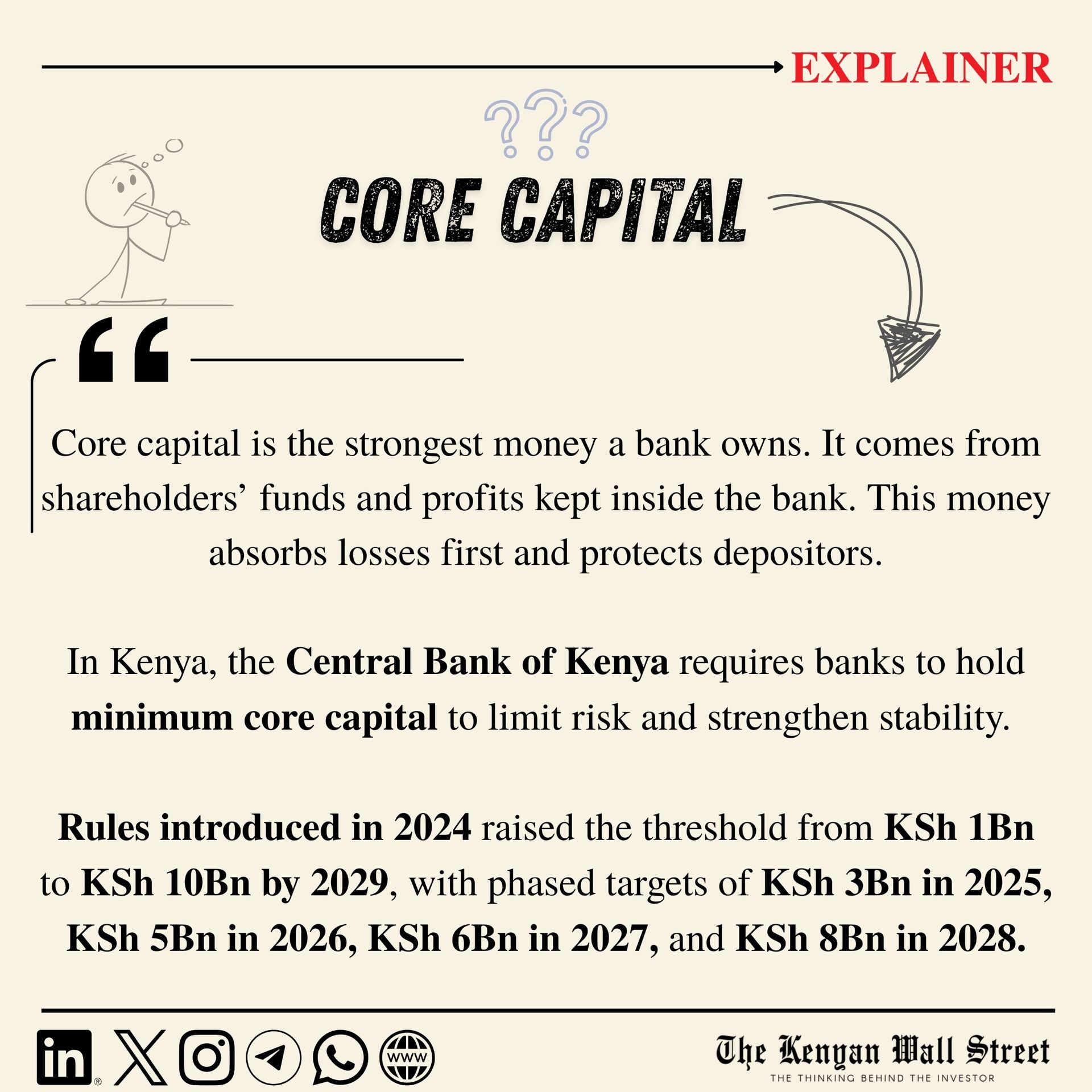

Source : NSE
Visit our new website here to get updated on this story and others…

On your watchlist
For up-to-date market insights and data from the NSE, join our Whatsapp channel here »»»»»
Today in History
DRC President Laurent-Désiré Kabila is assassinated by a bodyguard at his residence in Kinshasa, a shocking end to his four-year rule. His death thrust his 29-year-old son Joseph Kabila into power amid ongoing conflict in the eastern Congo.