- The Daily Brief, by The Kenyan Wall Street
- Posts
- The Gulf Prepares for Winter
The Gulf Prepares for Winter
Kenya's #1 newsletter among business leaders & policy makers

Kenyan Wall Street
April 20, 2026


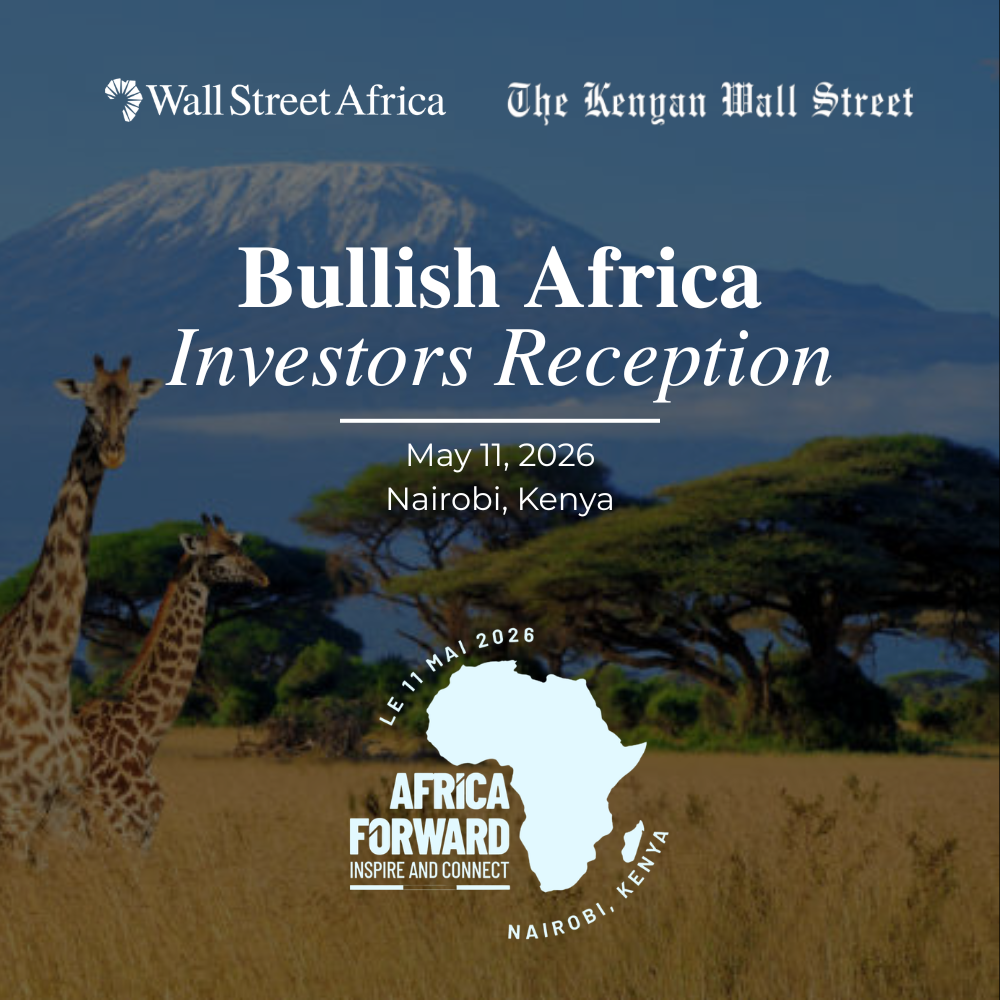
Get your tickets here »»»»»
Happy Monday from The Kenyan Wall Street.
In today's edition…
The Gulf Braces for an Uncertain Financial Future

Riyadh’s Kingdom Tower at night
By Morris Kiruga
In the shadow of the Israel-US-Iran and Israel-Lebanon conflicts in the Middle East, Gulf countries have been preparing for an uncertain financial future.
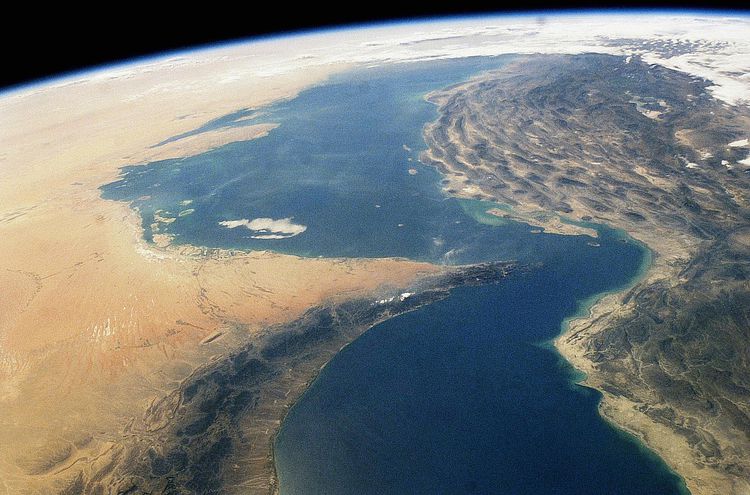
The export of oil and other essential products, and import of food and other products the Gulf requires, has been severely disrupted since Iran closed the Strait of Hormuz.
The ‘doomsday weapon’, long a theoretical threat by Tehran, has been compounded by Washington’s decision to counter-blockade the critical maritime chokepoint.
The net effect is an uncertain economic and social for Gulf economies, which have been trying to wean themselves off their over-reliance on oil revenues.
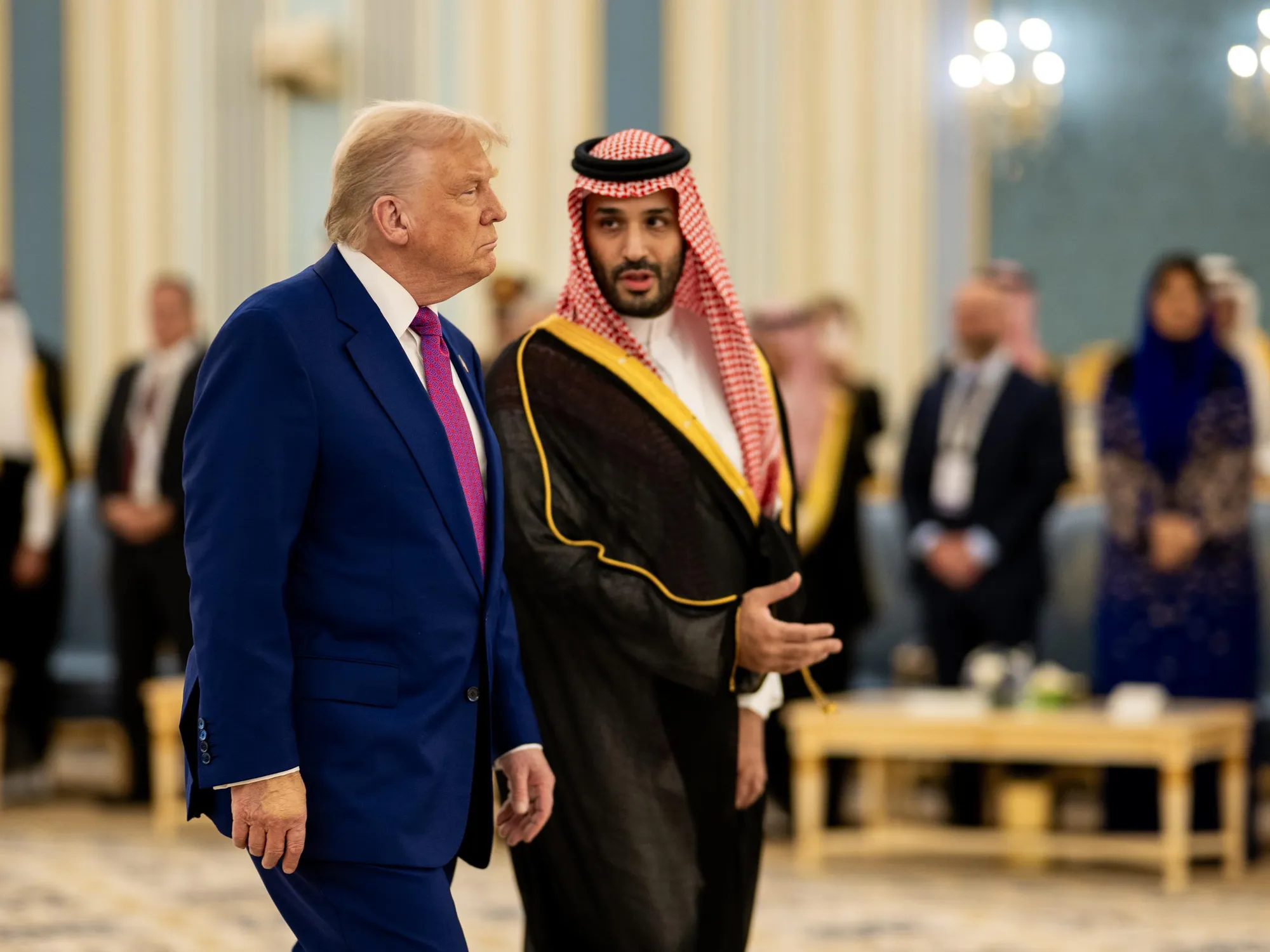
Late last week, Saudi Arabia’s primary wealth fund, the US $900bn Public Investment Fund (PIF), held a board meeting to plan for its 2026-2030 strategy. The resolutions showed Riyadh is choosing to focus on propping its domestic economy, as well as helping other economies in the region. This sent shockwaves in the West, where the fund has been bankrolling LIV Golf, an alternative to the PG World Tour, and is invested in other sports and multiple facets including stock markets.
On Sunday, the Wall Street Journal reported that the United Arab Emirates is in talks with the US for a possible financial lifeline. Among its options, according to the report, is a currency swap line that would provide a buffer in the likelihood that the UAE loses its standing as an international financial center. Bahrain’s King Hamad bin Isa Al Khalifa has tasked the Crown Prince and the Prime Minister with implementing ‘decisive measures…to resolve any gaps that have been identified in the defence or economic sectors.”
Conservative estimates hold that the global economy has lost more than US$50 billion due to the conflict, as over 500 million barrels of oil have been removed from the market, wiping with it critical logistics nodes such as air travel and vehicle movement. The uncertainty over whether the next round of negotiations in Islamabad will take place, whether Iranian military and political leaders can find common ground with each other, and whether Washington can be trusted to hold its end of any bargain, will determine how long it takes the Gulf, and the world, to recover.
Stay updated on this and more here >>>
More on Geopolitics
Roam Launches Fast-Charging E-Motorcycle for Boda Bida Riders

By Brian Nzomo
Electric motorcycles have struggled to scale across African cities due to a combination of slow charging, patchy infrastructure, and concerns about durability under punishing road conditions. Roam, a Nairobi-based electric bike maker, has introduced a new electric motorcycle that adds more than one kilometer of range for every minute of charging, a technical leap aimed at tackling one of the biggest constraints facing Africa’s shift to electric transport.
Read More»»»
More on Technology

In the Markets Last Week

By Harry Njuguna
The Nairobi Securities Exchange extended its recovery to a third consecutive week, though momentum faded sharply. Market capitalization edged up 0.54% to KSh 3,451.45Bn, adding KSh 18.53Bn after the KSh 128.42Bn surge in Week 15. All indices closed green but gains were modest, with the NSE 10 barely moving at +0.08%.
The week's most significant development came from the CBK weekly bulletin: a US-Israel-Iran ceasefire was announced, easing the geopolitical pressure that had driven the selloff. However, shipping through the Strait of Hormuz remains restricted, and Murban crude held at $89.61 per barrel, only marginally below the $90.33 recorded the previous week.
Read the story here >>>>>
More on the Markets
For timely and insightful market updates, follow our Whatsapp page here
Coming Soon…
On Your Watchlist

Be a part of us here »»»»»
Capital Club East Africa brings together business leaders, entrepreneurs and professionals in a refined space designed for meaningful connections, thoughtful conversations and exceptional experiences. From networking and private events to dining and a true sense of community, membership opens the door to more.
Learn more here »»»»»
Keep up with what’s happening on our X and LinkedIn pages. Stay updated with the latest financial news on our website The Kenyan Wall Street.