- The Daily Brief, by The Kenyan Wall Street
- Posts
- The Rift in Tea Quality
The Rift in Tea Quality
Kenya's #1 newsletter among business leaders & policy makers


Newsletter Sponsor
Hello 👋🏽 It's Brian from The Kenyan Wall Street.
In today's newsletter, a parliamentary report highlights why there is a notable disparity between the prices of tea produced in the east and the west of the Rift Valley.
Also, the ICT regulator has released new trends in the internet market, mobile money, and broadcast media.
The Rift in Tea Quality
By Brian Nzomo

A Parliamentary inquiry on the Kenyan tea sector has delivered a damning verdict: the West Rift’s crisis is less about soil and rain, and more about boards that behave like billboards for mismanagement. For years, these factories traded financial discipline for dysfunction; taking loans to pay bonuses, stalling half-built hydropower projects, and drowning farmers in debts disguised as dividends. When the price floor fell away in 2024, the illusion collapsed, exposing low-grade leaf, bloated costs, and warehouses swollen with unsellable stock. Meanwhile, their East Rift counterparts continued to fetch better prices due to better quality.
Read the full article here >>>>>
Outpacing Rivals
By Harry Njuguna

Safaricom has tightened its grip on Kenya’s home-internet market, adding 80,000 new subscribers in just three months. That growth pushes its total to 815,037 users, more than a third of every connected home in the country. The gap between Safaricom and the rest is now widening faster than competitors can patch their fibre trenches. Even aggressive challengers like JTL, Zuku, Poa and Ahadi are expanding, but nowhere near the pace Safaricom is setting.
Read the full article here >>>>>
Cutting back local content
By Fred Obura

Kenyan TV stations sharply pulled back on local programming this quarter, with compliance falling to 74.49%, one of the steepest drops in years. The decline hints at broadcasters under real financial pressure, choosing cheaper foreign shows over costly in-house production. That retreat dragged down overall TV standards even as stations maintained strong marks on watershed rules and accessibility. Radio, meanwhile, held steady at near-perfect compliance, underscoring how TV is absorbing most of the broadcast industry’s stress. Despite the squeeze, the sector keeps expanding, with new licences still being issued even as cable TV slips deeper into irrelevance.
Read the article here >>>>>
On the Markets
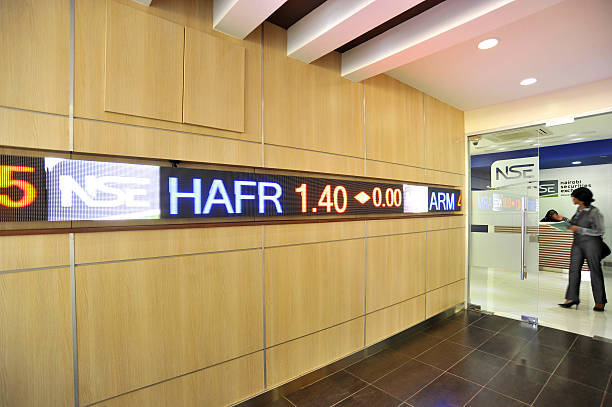

OPINION : Why Credit Access Needs to Be Recognised as a Human Right
By Julius Ouma

Access to credit sits quietly behind nearly every form of progress, yet it remains the one essential tool still treated as optional. Kenya’s financial system has widened its reach, but large segments of women, informal workers, and rural enterprises remain shut out, relying on fragile, informal networks to stay afloat. This exclusion doesn’t just limit income but also restricts agency, mobility, and the ability to imagine a future beyond subsistence. If freedom means more than survival, then guaranteed access to capital may be the missing pillar in the country’s social and economic rights framework.
Read the opinion article here >>>>>
Also Read




On Your Watchlist
Yesterday's Poll Results
The Central Bank of Kenya meets tomorrow for the last MPC meeting of the year. The CBK cut the Central Bank Rate to 9.25% in October, the eighth consecutive rate cut, the first such streak in Kenya’s history. What's Your forecast for tomorrow?
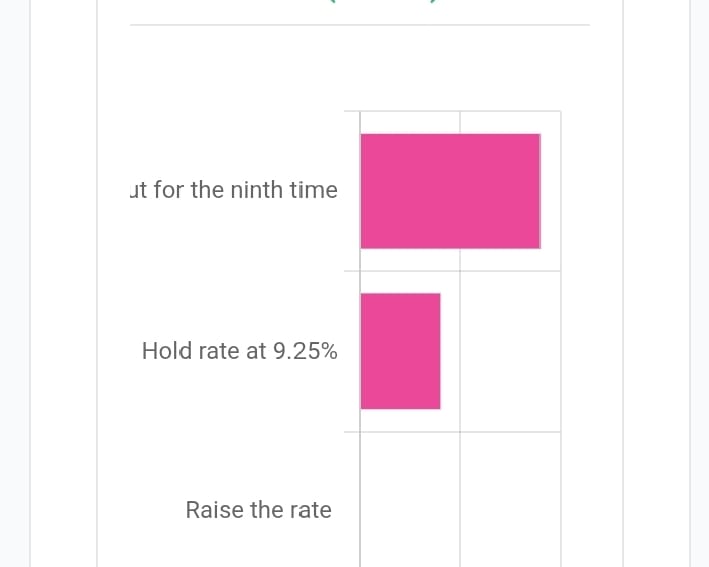
‘Cut for the ninth time’ was most voted option
Keep up with what’s happening on our X and LinkedIn pages. Stay updated with the latest financial news on our website The Kenyan Wall Street.