- The Daily Brief, by The Kenyan Wall Street
- Posts
- Why Manufacturers Are Losing Ground
Why Manufacturers Are Losing Ground
Kenya's #1 newsletter among business leaders & policy makers


Get your tickets here »»»»»
Hello 👋🏽 It's Brian from The Kenyan Wall Street.
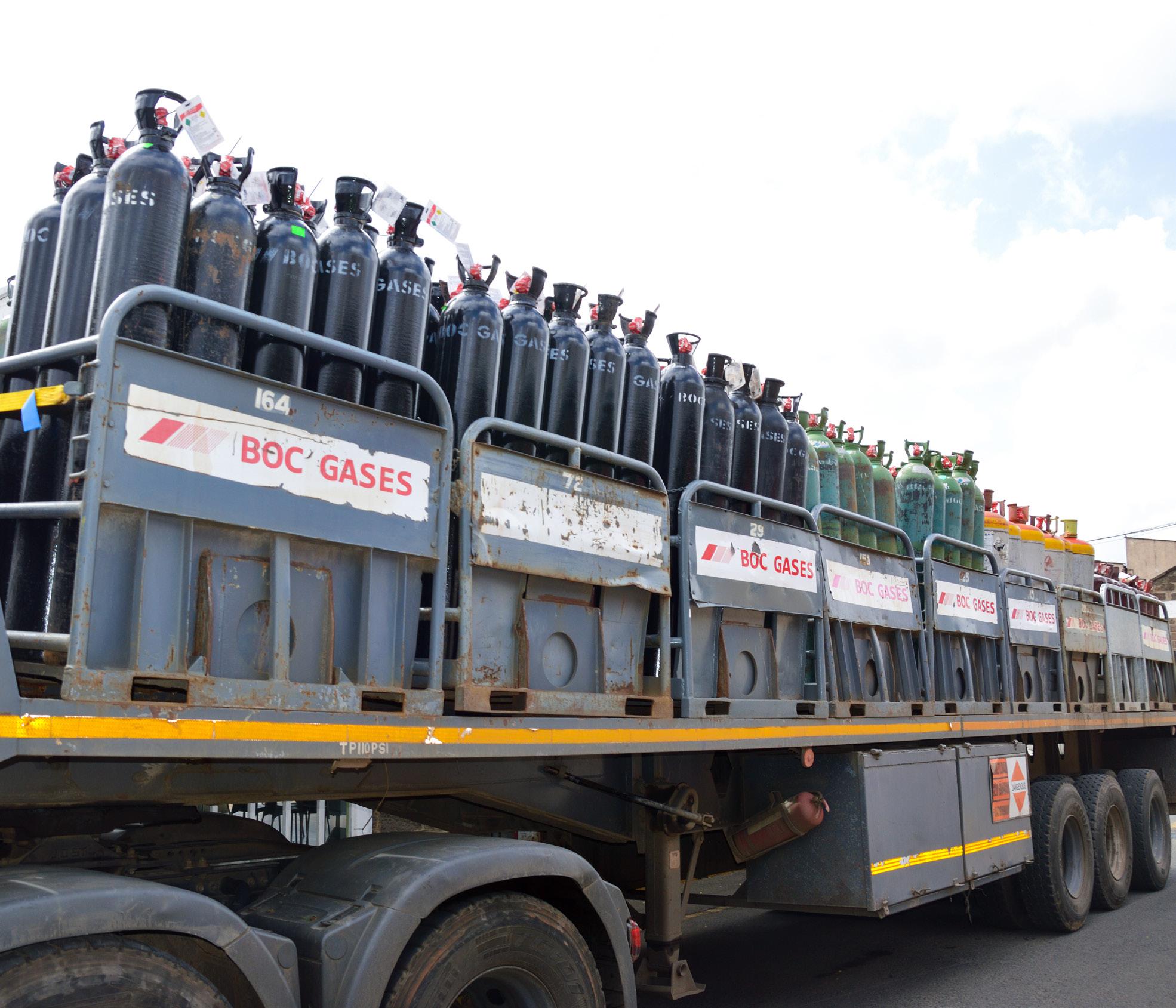
Manufacturing is the backbone of industrialization but developing countries like Kenya can barely get it right. It is intensive, difficult to accomplish, and little policy frictions or bureaucracy gone rogue can derail its accomplishment. Kenya wants manufacturing to contribute 20% of the GDP by 2030. Attaining this would not only require massive investment in energy and infrastructure, but also conducive government policies that would allow industries to thrive.
In its latest audit of the sector, manufacturers describe a bleak image of a country doing the exact opposite…
This and more in today's edition of our newsletter…
Why Manufacturers Are Losing Ground

KAM CEO Tobias Alando
By Brian Nzomo
Kenyan manufacturers find themselves trapped in a tightening clamp, where formal compliance grows steadily more expensive even as illicit trade expands into nearly a tenth of GDP. A 2025 industry audit shows the shadow economy now rivals formal manufacturing, which has itself shrunk from 11.08% of GDP in 2011 to about 7.3% in 2024. For companies operating within the law, the burden is cumulative: layered taxes, rising payroll deductions, import levies, and overlapping national and county licensing regimes that can run into dozens of approvals for a single product line. The result is a system where legality carries a premium, and inefficiency is effectively rewarded, as informal operators bypass costs that formal firms cannot avoid. In that widening gap, manufacturers are not just competing with each other, they are competing with the structure of the state itself.
Read the story here >>>>>
More on Industry


The Reversal of Fuel Taxes

By Harry Njuguna
In a rapid reversal that underscores the volatility of Kenya’s fuel pricing regime, the National Treasury cut VAT on petroleum products from 13% to 8% just a day after a sharp price increase. The move forced EPRA to recalculate pump prices again, pulling petrol in Nairobi down to KSh 197.60 and diesel to KSh 196.63, both slipping back below the KSh 200 mark. The policy shift, announced after public pressure and initially framed as part of a longer adjustment timeline, unwound the economic shock of the previous 24 hours almost as quickly as it was absorbed. What remains is a sense of policy written in real time, where the price of fuel changes with the speed of political pressure rather than the rhythm of planning.
Read the article here »»»»»
More on Public Policy



By Harry Njuguna
Sameer Africa is about to turn paper wealth into real cash, with a KSh 919.7 million land sale expected to close after being carried in its books at just KSh 15,000. The company’s property portfolio is worth about KSh 9.19 billion in independent valuations, far above its reported value of about KSh 933 million, showing a big gap between accounting figures and actual market worth. That hidden value is now starting to show up in stronger finances, including higher equity, no debt, and steady rental income from tenants. But rising overdue rent payments suggest the next challenge is not valuation, but how reliably that income can be collected.
Read the analysis here >>>>>
More on the Markets


For timely and insightful market updates, follow our Whatsapp page here
OPINION : Kenya Is Converting Investor Confidence into Real Economic Growth
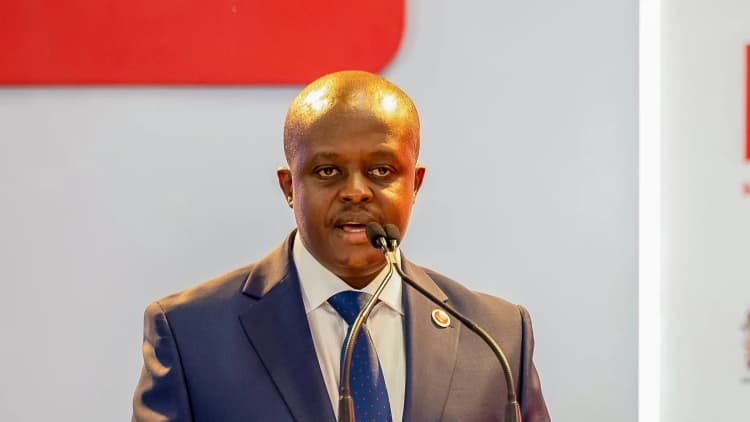
Invest Kenya CEO John Mwendwa
At the Fourth Kenya International Investment Conference, Kenya recast itself less as a market courting capital than as a machine converting it, with FDI rising over 15 percent to more than US$2 billion in 2025. A fresh US$2.9 billion pipeline across manufacturing, energy, ICT, and healthcare was presented as proof that reforms — ranging from eased foreign ownership rules to digitised approvals — are shortening the distance between intent and execution. Behind the rhetoric of momentum sits a harder claim: that policy fixes and a resurgent Nairobi Securities Exchange (NSE) are beginning to turn investor confidence into something measurable, bankable, and already in motion.
Invest Kenya CEO – John Mwendwa writes >>>>>
Coming Soon…

On Your Watchlist
A war thousands of miles away is already affecting your money. Money is never just about money, especially during global conflict. In this episode of the Just Money Podcast, our host Just Ivy Africa sits down with economist Prince Muraguri and security expert Andrew Franklin.

Be a part of us here »»»»»
Capital Club East Africa brings together business leaders, entrepreneurs and professionals in a refined space designed for meaningful connections, thoughtful conversations and exceptional experiences. From networking and private events to dining and a true sense of community, membership opens the door to more.
Learn more here »»»»»
Snapshot

Keep up with what’s happening on our X and LinkedIn pages. Stay updated with the latest financial news on our website The Kenyan Wall Street.