- The Daily Brief, by The Kenyan Wall Street
- Posts
- The World Preps for Energy Crises
The World Preps for Energy Crises
Kenya's #1 newsletter among business leaders & policy makers

Kenyan Wall Street
March 30, 2026


Hello from The Kenyan Wall Street. In this morning's newsletter edition…
How Countries Across the World are Dealing with the Energy Crisis
By Morris Kiruga
Countries across the world are escalating stopgap measures to deal with the energy crisis as the disruption of critical maritime routes has led to dwindling strategic reserves and disrupted economies.
Ethiopia has asked all public institutions and state-owned enterprises to put non-essential employees on annual leave in an attempt to mitigate the fuel shortage.
At a press conference in Canberra, Australia’s Prime Minister Anthony Albanese has announced a tax cut on fuel for three months, as the price of crude oil has increased.
Across the world, economies are staring at multifold crisis caused by the latest, ongoing conflict pitting Israel and the United States against Iran.
“We understand the cost pressures for people are very real as the impact of the war on the other side of the world plays out right here,” Albanese said, according to a report by Al Jazeera.
“We’re acting now to be over-prepared,” he added.
In Kenya and Uganda, energy regulatory bodies have pushed back on oil marketers who have sought to either raise prices or hoard fuel supplies. With heightened demand for the reduced oil in transit, options such as the Dangote Refinery have gained renewed interest.
Some countries such as Sri Lanka have placed limitations on how much fuel motorists can buy. In Myanmar and Cambodia, the limitations are working on an ‘odd-even’ rule where odd and even numbered plates can buy fuel on alternate days. The rationing plans are only stopgap measures, with some governments such as Ethiopia either pushing for staff to go on leave, or re-instituting work-from-home policies that were first implemented at a wide scale during the pandemic years.
To stay updated on geopolitics and how markets are reacting to the oil shock »»»
The Middle East Conflict Rattles Kenya’s Stock Market

By Harry Njuguna
The Nairobi Securities Exchange recorded its worst week since the COVID-19 pandemic, with KSh 231.17Bn in market value erased across five consecutive losing sessions.
It was the second largest weekly decline since 2008, behind only the KSh 340.86Bn lost during the week the WHO declared the pandemic in March 2020. Market capitalisation fell 6.66% to KSh 3,241.82Bn from KSh 3,472.96Bn, dropping below the pre-KPC listing level of KSh 3,289Bn and erasing the entire listing premium added when Kenya Pipeline Company joined the exchange in early March.
Year-to-date gains narrowed from 12.24% to 4.76%.
Read the article here >>>>>
Aviation Firms Locked in a Row

By Fred Obura
An aircraft leased to Airworks Kenya Limited collided with another plane in South Sudan, leaving a company facing repair costs of over US$128,000 and operational losses exceeding US$75,000. Renegade Air Limited successfully claimed US$95,000 in a partial judgment, after Airworks had admitted to a commitment to pay but remitted only part of the sum. The court declined to strike out the remaining US$402,087 in dispute, citing questions over maintenance billing and the circumstances of the South Sudan incident. As both companies prepare for a full trial, the ruling highlights how a single “ground incident” can reverberate across regional aviation contracts.
Read the article here >>>>>
The Strait of Hormuz: How Kenyan Businesses Can Navigate Price Shocks
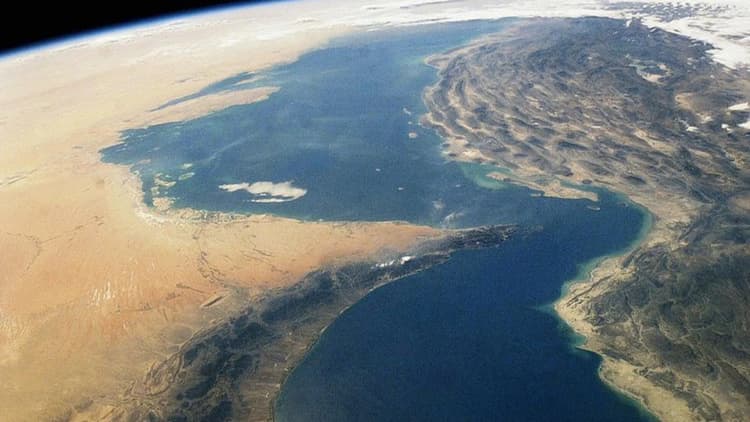
The Strait of Hormuz
By Henok Eyob
The Strait of Hormuz has become a crucible for Kenyan business, where the faint tremors of global disruption are felt in real time on balance sheets. Fuel shipments stall in Gulf ports, freight rates spike, and the shilling wavers, turning familiar cost structures into unfamiliar terrain. For some firms, dollar liabilities against shilling revenues are a trapdoor; for others, export earnings and hedges offer a fragile, fleeting reprieve. In this moment, the art of corporate survival is less about expansion than about clarity: knowing exposure, measuring risk, and choosing judiciously where to adjust before the next ripple arrives.
Read the opinion article here »»»»»
Heads Up

On Your Watchlist
Is the Nairobi Securities Exchange (NSE) only for the rich? In this episode of Wall Street Mtaani, Charity Hudini sits down with Wesley Manambo from SIB to break down the "truth of the streets" vs. the reality of the markets.
This Week…
For timely and insightful market updates, follow our Whatsapp channel here

The African REITs Conference 2026, hosted by the REITs Association of Kenya, brings together the people shaping the future of listed real estate across the continent — from investors and developers to financiers, regulators, and capital markets leaders.
📍 31st March – 2nd April 2026 | Enashipai Resort & Spa, Naivasha
🎯 Theme: Transforming Africa’s REIT Landscape through Policy Innovation, Market Transparency, and Global Alignment
If you want to be in the room where Africa’s REIT market moves from potential to scale — this is it.
Register here »»»»»
Keep up with what’s happening on our X and LinkedIn pages. Stay updated with the latest financial news on our website The Kenyan Wall Street.